
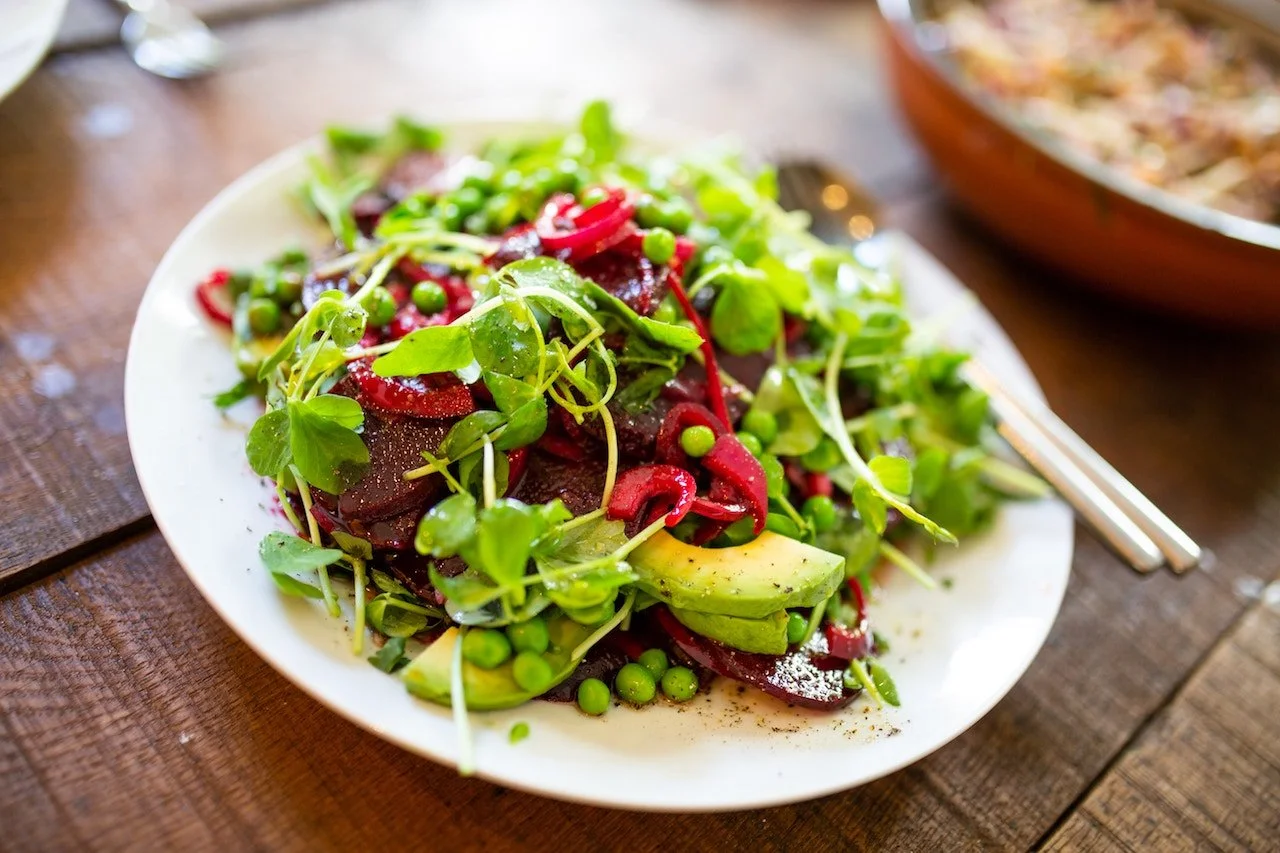
Hormone Balancing Spring Lunch Ideas
What you have for lunch can determine not only how you feel for the remainder of the day, from a mood and energy perspective, but it can also impact the food choices you make.
A hormone balancing lunch will support blood sugar levels, satiety, offer adequate nutrition and also should taste good!
The foundations to any balanced meal include a source of fibre (complex carbs), healthy fats, protein and then a decent amount of low starch veggies (aka vitamins and antioxidants!).
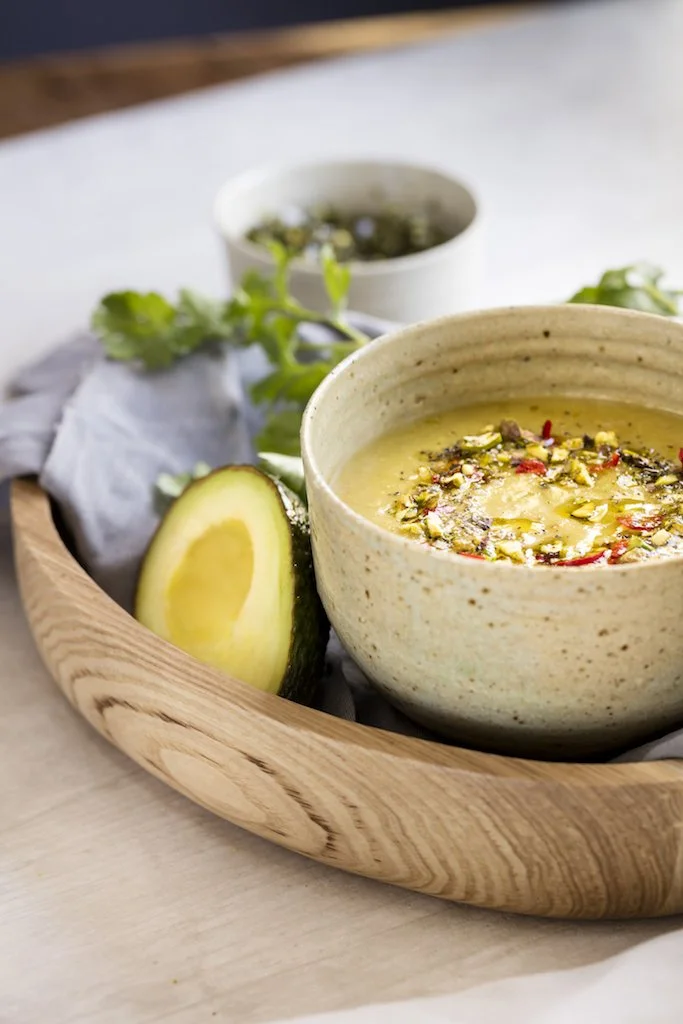
Here are 3 hormone balancing spring lunch ideas to have on repeat, which require little effort
Spring breakfast recipes for better hormone balance
Our first meal of the day impacts not only how we feel, but also our food choices for the remainder of the day.
Specifically, this can influence our blood sugar, appetite and energy levels throughout the day.
When it comes to breakfast, we want to make sure the meal we eat contains
a source of complex carbohydrates (fibre), protein and healthy fats. Protein is particularly important because protein helps to reduce our hunger-stimulating hormone, while increasing satiety hormones.
Keeping appetite in check assists with blood sugar control, which in turn promotes a healthier cortisol response, better concentration, reduced dips in energy and weight maintenance.
Here I am sharing 3 spring friendly breakfast ideas to support hormone balance!
Turn Intention Into Action
As we age, a shift in hormones affects our metabolism and our ability to build lean muscle mass, all of which can make it hard to maintain weight. A prime example of this is menopause. These factors, can affect our weight even before we take into account a change in lifestyle such as working full time and not having enough time to exercise or eat well.
Here I am sharing 5 things you can do today to help stop the weight gain creep and keep you on track with your weight.
Watch the fat
Healthy fats are an important part of the diet, but from a weight perspective they contain more calories per gram compared to protein and carbohydrates. This means, it is very easy to overdo fats from a calorie perspective. By way of example, if you are making a salad and it contains avocado, nuts, seeds, olive oil dressing, feta cheese and chicken, there are a lot of fats in this one dish, which being a salad, is often considered a “diet” meal. If seeking to lose weight or avoid weight gain creep, instead, aside from your protein choice, pick 1 fat to have in salads or a mix of fats which equal approx. 20g or 1 tbsp. of that ingredient. Apply this to all of your meals as a very easy way to cut back on calories, without really noticing much difference.
Boost your incidental step count (exercise!)
To lose weight an energy deficit is needed. This can be achieved via diet alone and/or by exercise. If you have hit a plateau and your diet seems pretty lean already, a good kick start can be increasing your incidental exercise and step count. This can be as simple as going for a walk around the block daily and adding 2,000 steps to your usual count. Some other ways to boost your incidental exercise include:
Getting up every 30min and doing squats or a lap around the office.
Spending 10-20min on your lunch break walking in green space.
Choosing a walking catch up with friends rather than sit down lunch, coffee or dinner.
Get a hormone assessment
As mentioned, hormones can play a role in weight gain. The key players are oestrogen, insulin and also thyroid hormones. If you feel like your diet and exercise regime have not changed to warrant any weight gain, it may help to head to your GP for a blood test to see if there are any underlying issues with your hormones.
Shorten your eating hours
Intermittent fasting does not suit everyone and that is totally fine. What I do recommend is leaving at least a 12hour gap with no food between dinner and breakfast. If you aren’t already doing this, try it and see if it makes a difference. This is also a good way to limit excess calorie consumption post dinner, something that a lot of people do out of habit.
Give “volume eating” a go!
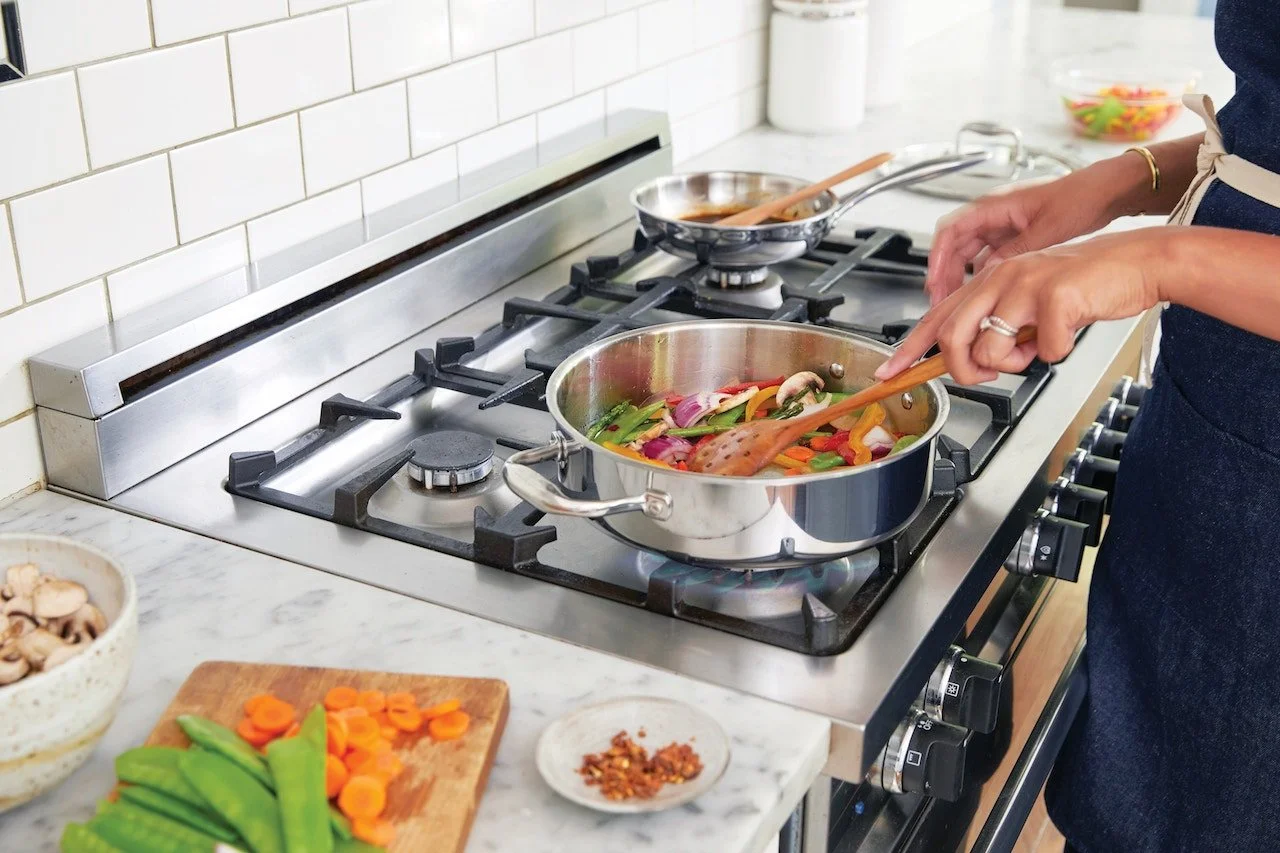
If you feel like you are constantly on a diet…which doesn’t work… and always left hungry, give volume eating a go. Volume eating means filling your plate with low calorie foods such as veggies, whilst also enjoying more energy dense foods. For example:
if have spaghetti Bolognese for dinner, use ½ spaghetti noodles and ½ zucchini noodles.
when having a curry add a heap of veggies such as cauliflower, carrot, zucchini, broccoli, eggplant etc and consume less rice and meat – the same goes for stir-fry’s.
for lunch try an open sandwich topped with lots of salad.
Have a veggie soup pre-dinner to make you feel fuller with less dinner.
Can a Mediterranean diet help reduce maternal stress, anxiety and improve sleep quality?
Pregnancy brings about an array of changes to the physical health of a woman’s body, but it can also bring about anxiety and stress, both of which can impact sleep.
A new study* has looked at the effects of a Mediterranean Diet (MD) during pregnancy on maternal stress, well-being and sleep quality through gestation.
In this study 1221 high-risk pregnant women (high risk for small-for-gestational-age newborns) were randomly allocated into 3 groups at 19-23 weeks gestation:
A MD diet intervention;
A mindfulness-based stress reduction program; and
Control – usual care.
For group 1, Participants were encouraged to increase their intake of whole-grain cereals (?5 servings/d); vegetables and dairy products (?3 servings/d); fresh fruit (?2 servings/d); and legumes, nuts, fish, and white meat (?3 servings/week), as well as increasing their olive oil use for cooking and dressings.
The study ended when women reached 34-36 weeks gestation and results showed that women in group 1, the MD diet intervention, had significantly lower perceived stress and anxiety scores and better sleep compared to group 3 – usual care.
What we know about diet when it comes to mental health is that research has strongly linked a diet high in processed foods, saturated fats and refined sugar with an increased risk of mental health conditions.
On the flip, the MD is rich in plant-based foods, fibre, veggies, fruit and antioxidants, whilst being naturally lower in foods link to mental health conditions. Research has suggested that this dietary pattern may have had an impact on inflammation, oxidative stress, brain plasticity as well as the gut microbiome, all suggested to play a role in mental health conditions.
What this study tells us is, if a pregnant woman is experiencing increased stress, anxiety and poor sleep, shifting their diet towards more of a MD pattern may be of benefit.
As a starting point, here are some quick MD meal ideas which are simple and quick to put together.
Quick Mediterranean Diet Meal Ideas for Pregnant Women
Breakfast
Smoothie using plant-based milk/cow, fruit of choice, handful rolled oats, handful of hemp seeds/LSA and spoonful of yoghurt.
Wholegrain toast spread with hummus, tomato, avocado and drizzled with extra virgin olive oil.
2 x eggs scrambled (well booked) with red kidney beans, tomato, spinach, herbs and hemp seeds.
Oats and 1 tbsp. chia seeds, soaked overnight in milk/water – in the morning add yoghurt, prunes, fruit and LSA.
Lunch
Wholegrain wrap spread with hummus or avocado, with 1-2 crumbled falafels and salad of choice.
Chickpeas or cannellini beans tossed with extra virgin olive oil, cumin, salt, pepper, grated carrot and sultanas + optional protein such as feta, boiled eggs, haloumi, tuna/salmon or chicken.
Mash a can of tuna/salmon with avocado and serve on wholegrain crackers with tomato and cucumber.
Dinner
Fish fillet (low mercury) topped with sliced tomato, herbs, lemon, garlic and extra virgin olive oil baked in the oven and served with steamed potatoes tossed with cooked peas, herbs, parmesan and extra virgin olive oil.
Fry off chopped tomatoes, onion, garlic, finely diced eggplant to make a sauce, add in cooked pasta, shredded cooked chicken/tuna or legumes, spinach, herbs and finish with parmesan cheese (or hemp seeds) as a simple pasta dish.
Pre-roast whole sweet potatoes, warm in the oven, cut in half and top with chickpeas mixed with diced avocado, diced tomato, hemp seeds and herbs.
*Study reference:
Casas, I.; Nakaki, A.; Pascal, R.; Castro-Barquero, S.; Youssef, L.; Genero, M.; Benitez, L.; Larroya, M.; Boutet, M.L.; Casu, G.; et al. Effects of a Mediterranean Diet Intervention on Maternal Stress, Well-Being, and Sleep Quality throughout Gestation—The IMPACT-BCN Trial. Nutrients 2023, 15, 2362. https://doi.org/10.3390/ nu15102362